Why Do Last Year's Recovery Sandals Feel Wrong This Year?
Quick Answer: Recovery sandal foam compresses permanently with use, losing meaningful rebound within roughly six to twelve months of regular wear — long before the sandal looks worn. Your feet also change across a year of different training, and cooler weather changes how the foam behaves. If they feel flat, the foam is done. If they feel too high, your feet adapted. Both are normal and neither means you bought the wrong pair.
They were the best purchase you made last summer.
You dig them out and within ten minutes your arches ache, or they feel strangely aggressive, or they just feel like flip-flops.
The sandal looks fine. That is the confusing part.
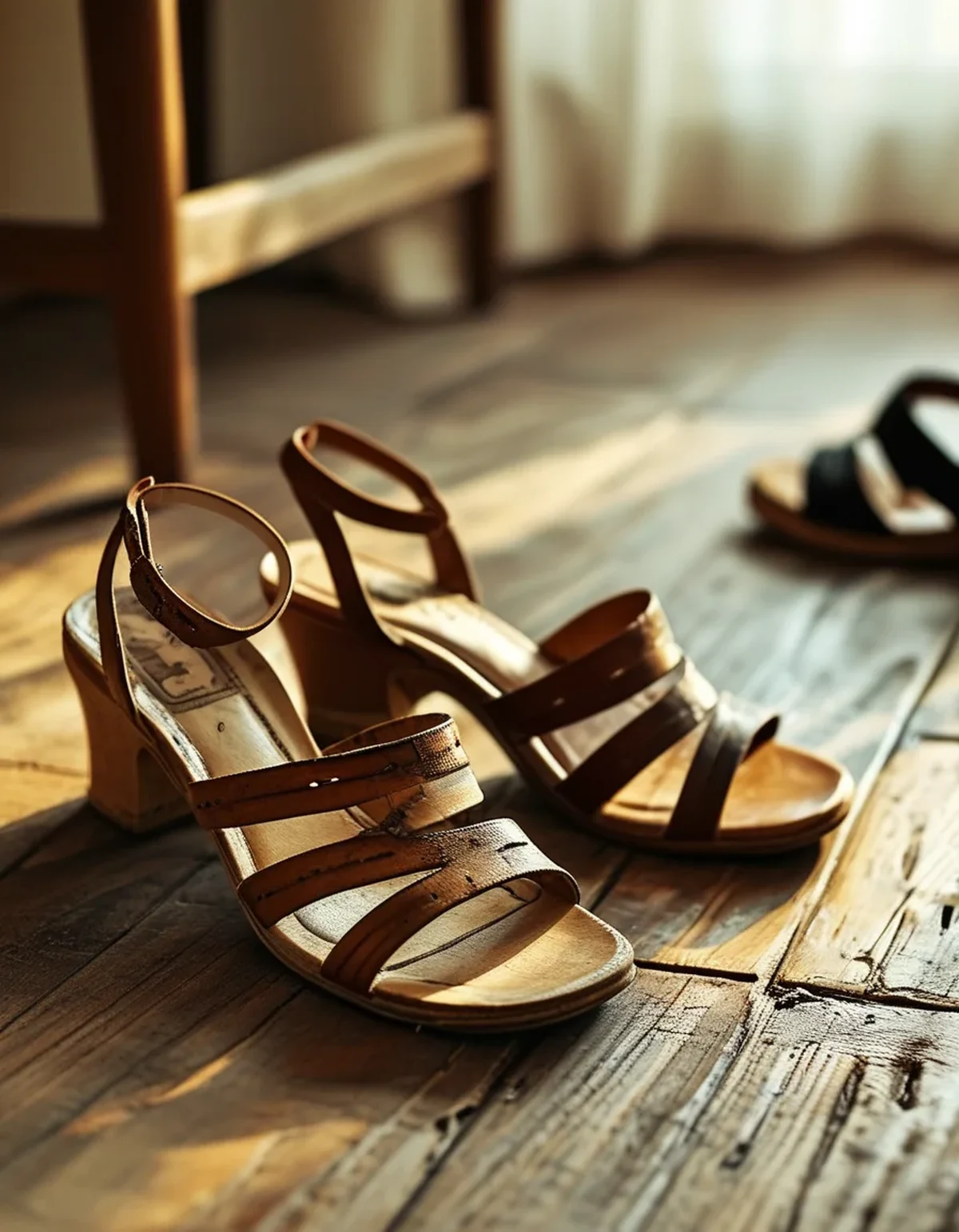
What actually happens to the foam?
The foams used in recovery footwear — typically EVA blends or proprietary variants — work by compressing under load and springing back. That rebound is the entire product.
With repeated compression, the cell structure of the foam breaks down. Cells that used to spring back stay partly collapsed. The foam gets progressively less resilient, and it does this from the inside.
The critical point is that this happens long before there is visible wear. The outsole tread can look nearly new, the upper can be spotless, and the foam underneath can have lost a substantial share of its rebound.
So the usual signals people use to judge footwear replacement — tread wear, cosmetic condition — are actively misleading here.
A rough timeline for regular wear: noticeable rebound loss somewhere between six and twelve months, and effectively no recovery function after that. Heavier users and higher body weights compress faster. Sandals worn all day every day rather than for an hour after training compress considerably faster.
Heat accelerates it. A pair that lived in a hot car all summer is further along than the calendar suggests.
How do you test whether the foam is gone?
Three tests, none of which require anything you do not have.
The press test. Press your thumb firmly into the footbed at the heel and release. New foam springs back immediately and completely. Worn foam returns slowly or leaves a visible dent for a second or two.
The compare test. If you have a newer pair of anything with similar foam, press both. The difference is obvious side by side and almost impossible to judge in isolation.
The wear pattern test. Look at the footbed under good light. Compressed foam shows as a permanently darker, smoother, slightly sunken area where your heel and forefoot sit. If your heel print is visible as a depression, that foam is not coming back.
The least reliable test is how they feel, because you adapted gradually alongside the degradation and your reference point moved with it.
That is exactly why they feel wrong after a break. Six weeks in other shoes reset your reference, and now you are feeling the accumulated year of change all at once. Nothing changed during the storage — you simply stopped grading on a curve.
What if they feel too high rather than too flat?
This is the less common complaint and it usually means the sandal is fine and your feet changed.
Recovery sandals have a pronounced arch and a deep heel cup. How that feels depends entirely on your current foot — arch height, tissue stiffness, and how much barefoot or flat-shoe time you have had recently.
A year of any of the following will change how the same sandal feels:
- More barefoot or minimalist time. Your intrinsic foot muscles are stronger and your arch is more active, so an aggressive supportive contour now feels like an intrusion rather than a relief.
- A change in training volume. More running or standing means more foot fatigue, which usually makes support feel better, not worse.
- Different everyday shoes. Switching to flatter daily shoes recalibrates what neutral feels like.
- Weight change in either direction, which changes how deeply you sit into the contour.
If they feel too high, wear them in shorter blocks first — twenty minutes, then an hour — rather than concluding they are wrong. Most people re-adapt within a week or two. If the discomfort is sharp rather than unfamiliar, that is different, and worth stopping for.
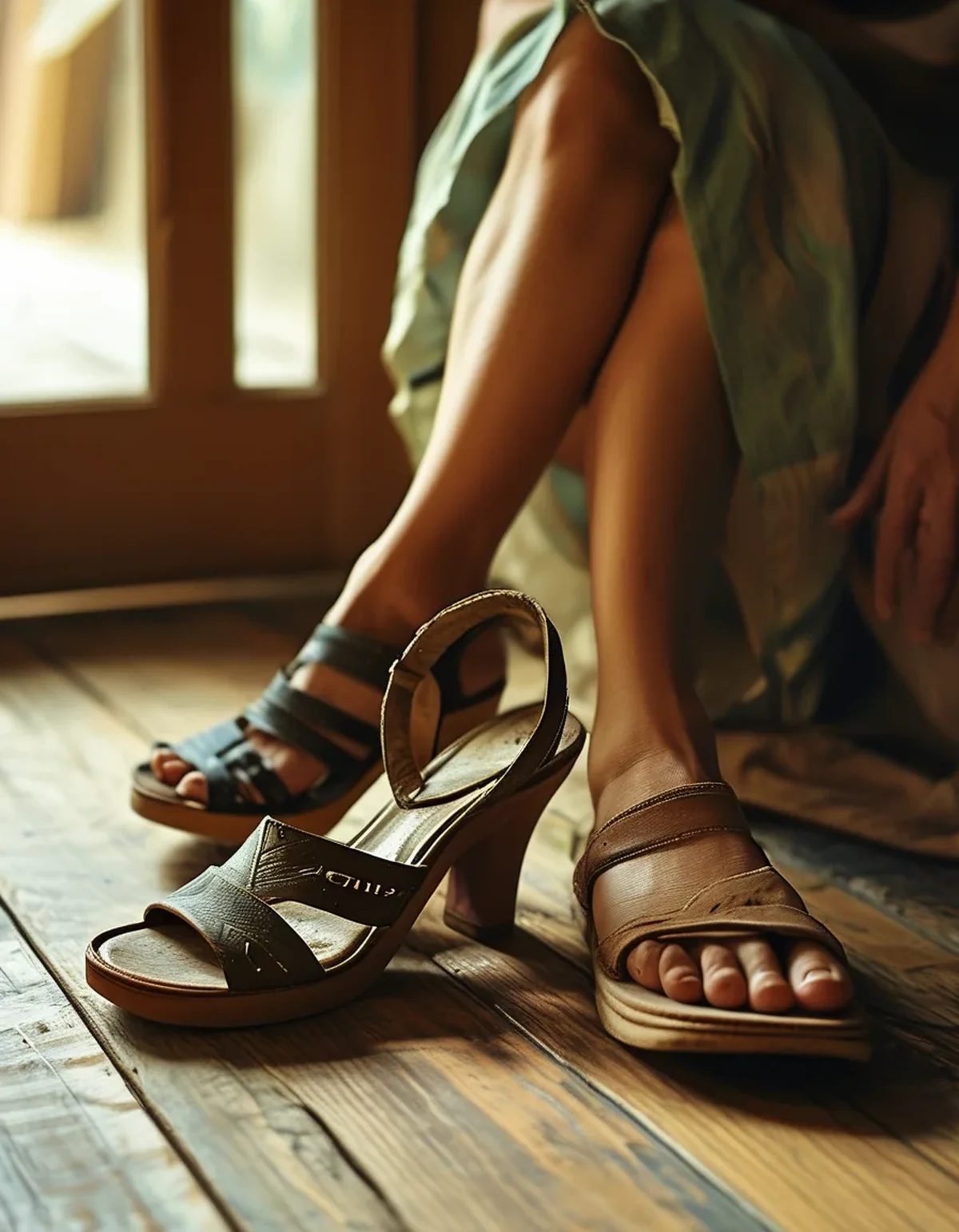
What nobody tells you about cool-weather foam
Foam is temperature-sensitive, and this is why the same sandal feels different in October than it did in July.
EVA and similar foams stiffen as they get colder. A sandal at 12°C is measurably firmer than the same sandal at 28°C. The rebound is slower and the initial impression is harder underfoot.
So a pair that felt plush and cushioned all summer can feel dense and unforgiving on the first cool morning, with nothing having changed about the foam’s condition at all.
This compounds badly with genuine degradation. A pair that has lost some rebound over a year and is now being worn cold will feel dramatically worse than it did in August, and you will attribute all of it to wear.
A fair test: bring them inside for an hour before judging them. A warm sandal at room temperature is the closest comparison to how they felt when you last liked them.
The other cool-weather issue is socks. Recovery sandals are designed around bare skin contact with a contoured footbed. A sock changes the friction, slightly raises your foot out of the contour, and reduces how much the arch support actually engages. It is not wrong to wear socks with them — it does mean you are getting less of what you paid for.
So when should you actually replace them?
The honest answer is by function, not by calendar or appearance.
Replace when:
- The press test shows slow or incomplete rebound.
- You can see a permanent depression where your heel sits.
- They no longer produce the relief you originally bought them for — this is the practical test that matters most.
- You have worn them regularly for more than about a year.
Do not replace just because:
- They look worn. Cosmetic wear and foam condition are unrelated.
- They feel different after a break. Warm them up and give them a week first.
- The tread is worn but the foam still springs back. That is a shoe with life left in it for casual use.
A worthwhile extension: stop wearing them all day. All-day wear is what compresses them fastest and, separately, it is not what they are for. Recovery footwear works best in the window after training or after a long day on your feet. Using them as general daily shoes both wears them out faster and gives your feet a permanently supported environment they do not benefit from.
One pair for post-training use, worn an hour or two at a time, will last two or three times as long as one pair worn as everyday footwear — and will do its actual job better the whole time.
What should you do with the old pair?
They are not useless. They have simply stopped being recovery footwear.
Degraded recovery sandals still work perfectly well as house shoes, garden shoes, poolside shoes, or the pair that lives in the car. The foam has lost rebound, not structure, and for low-demand use that is fine.
What they should not do is any job where the cushioning matters — post-run recovery, long standing periods, or wear when your feet are already sore. In those cases a degraded pair is roughly equivalent to a flat sandal, and if you are relying on them for relief you are getting none.
A practical rotation that works well:
- New pair: post-training and post-long-day only. Limited hours.
- After roughly a year: demote to general summer wear.
- After that: house and garden.
This is a slower replacement cycle than replacing outright each year, and it gets substantially more out of each pair.
And if you are about to buy a replacement now: end of season is when recovery sandals are discounted, which makes late summer and early autumn the cheapest time of year to buy the pair you will use most next summer.
FAQ: Recovery Sandal Lifespan, Answered
Can compressed foam recover if I rest them?
A small amount of very short-term compression recovers within a day. Permanent cell breakdown does not recover at all, regardless of how long they sit. If they have been unworn for six months and still feel flat, that is structural.
Does washing them damage the foam?
Heat does. Hot water, a dryer, or direct sun accelerates breakdown considerably. Cool water, mild soap, and air drying away from direct heat is the correct approach and will not shorten their life.
Are more expensive ones more durable?
Somewhat, though the correlation is weaker than price suggests. Denser foams last longer and often feel firmer initially, which some people read as less comfortable in the store. Durability and immediate plushness partly trade off against each other.
Should I wear them with socks in autumn?
You can, and many people do. Just know that it reduces the contoured contact that produces the effect. If you want the recovery function specifically, bare feet indoors for an hour beats socks outdoors for three.
This is general information, not medical advice. Persistent foot pain is worth having assessed.
TL;DR:
- Recovery foam loses rebound from the inside within roughly six to twelve months of regular wear, long before the sandal looks worn.
- Cosmetic condition and tread wear tell you nothing — use the thumb press test and look for a permanent heel depression.
- If they feel too high rather than too flat, your feet changed over the year, and re-adaptation usually takes a week or two.
- Cool weather stiffens foam significantly, so warm them indoors for an hour before judging a pair you have not worn since summer.
- All-day wear compresses them fastest and delivers the least benefit — an hour or two after training is what they are actually for.
Demote rather than discard: a year-old pair makes an excellent house or garden shoe even when it has stopped doing recovery work. And if you are replacing, end of season is when they are cheapest, which makes right now the sensible time to buy the pair you will rely on next summer.
Keep Reading
This article is for general informational and styling purposes only. Fit, sizing, and product availability may vary.