Why Wearing Recovery Sandals All Day Changes How You Walk
Quick Answer: Recovery sandals work by absorbing impact and reducing the work your foot has to do. That is exactly right for an hour after hard training and questionable for twelve hours a day, because the intrinsic foot muscles adapt to whatever demand they receive - and a very soft, unsupportive-underfoot surface reduces that demand substantially. Use them for their intended window - after training, and around the house in short stretches - and vary your footwear the rest of the time. The problem is duration, not the sandal.
There is no evidence that recovery sandals are harmful.
There is a good argument that wearing one type of shoe exclusively is not ideal for anyone.

What do recovery sandals actually do?
They absorb impact and reduce muscular demand at the foot and calf.
The foam is the entire product. These sandals use a highly compliant closed-cell foam that deforms under load and absorbs a substantial share of impact energy. Manufacturers commonly claim impact absorption well above standard footwear foam, and the sensation of walking on them makes the claim credible even without the numbers.
They also usually have a pronounced rocker and a raised heel. The rocker shape means your foot rolls through the step rather than flexing - which reduces the work of the calf and the toe-off muscles. The raised heel takes some tension off the Achilles.
And the arch is contoured but soft. It fills the arch space without providing rigid support, so it feels supportive while allowing the arch to compress.
For the hour after a hard run, this combination is genuinely well matched to the problem. Tissue is fatigued, the calf and Achilles have taken a great deal of load, and reducing the demand for a while is exactly what recovery means.
The design does not change based on how long you wear it, though. A shoe that removes demand for one hour also removes it for twelve - and that is the whole issue.
What changes if you wear them all day, every day?
The demand on the foot’s own muscles drops, and muscles adapt to demand.
Your foot has around 29 muscles acting on it, including a set of small intrinsic muscles that support the arch and control the toes. Like all muscles, they respond to what is asked of them.
A very soft, contoured, rockered sandal asks for less. The foam absorbs what the foot would otherwise absorb, the arch contour fills what the arch would otherwise hold, and the rocker does part of the work of push-off. None of this is dramatic over a day; over months of near-exclusive wear it is a meaningful reduction in stimulus.
The calf and Achilles also adapt to the raised heel. A consistently elevated heel allows the calf to sit in a shortened position, and tissue adapts to the position it habitually occupies. This is the same reason a lifetime of high heels affects calf length.
And there is a proprioceptive component. Thick soft foam damps the sensory feedback from the ground, and balance depends partly on that feedback. This matters more with age.
What this does not mean: recovery sandals cause injuries. The evidence for that claim does not exist. What is well established is that tissue adapts to the demand it receives, and that varied demand generally produces more robust tissue than uniform demand.
The honest framing: they are a tool for a specific job, and the risk is using one tool for every job.
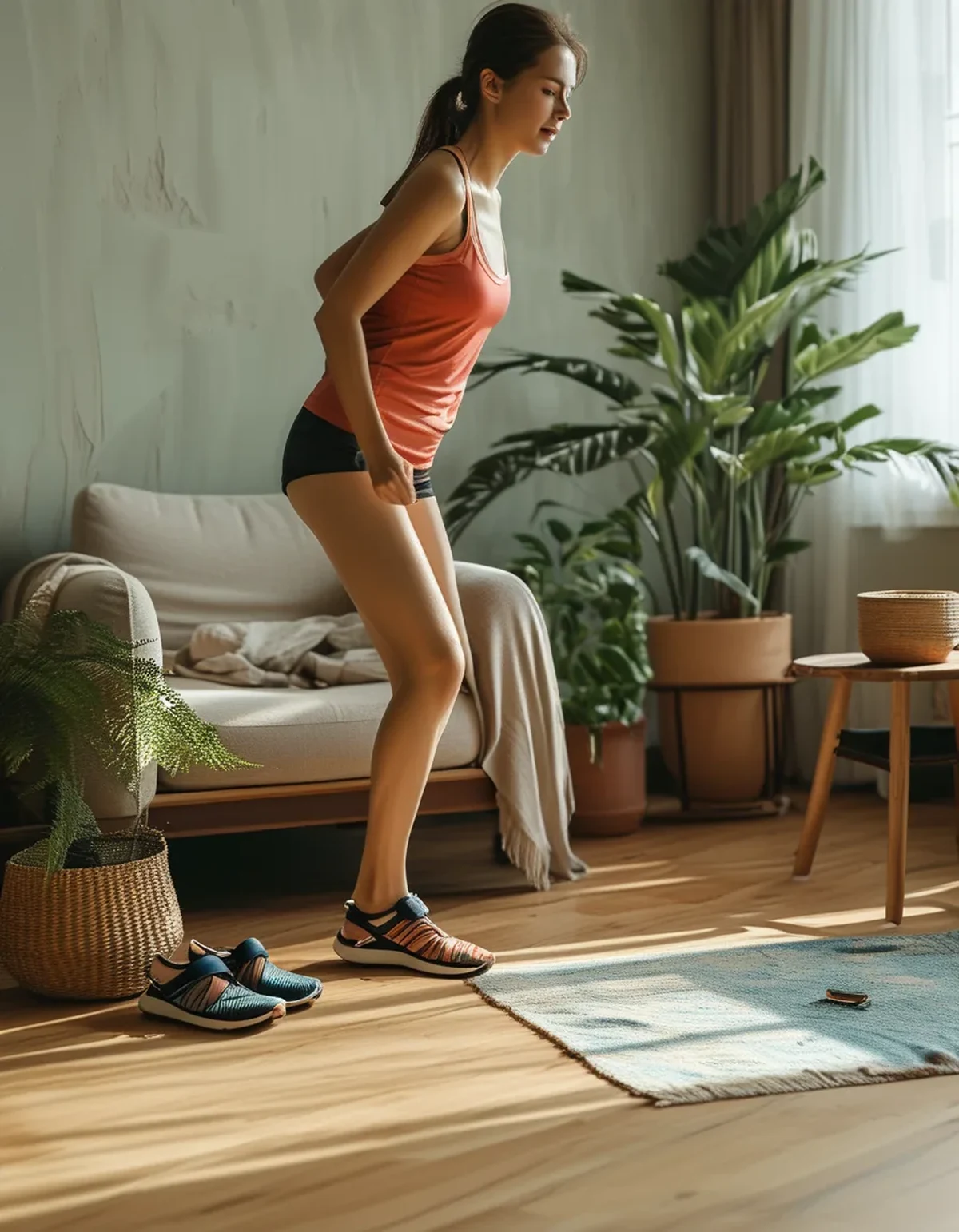
How should I actually use them?
Match the shoe to the moment, and vary across the week.
Immediately post-run or post-training: exactly right. Thirty minutes to two hours after hard work is the intended use and where the benefit is clearest. Slip them on when your running shoes come off.
Standing all day at work: also a reasonable use. Prolonged standing on hard floors is a genuine load problem, and cushioning helps. Just not every day for years without variation.
Travel, airports, and long days on your feet: good. Comfort and impact absorption are the priority there.
Around the house all day, every day: this is where to introduce variation. Some barefoot time indoors gives the foot muscles something to do and costs nothing. Alternate rather than replace.
Walking any real distance: use walking shoes. The soft foam and rocker are not designed for sustained walking, and many people notice arch fatigue after a few miles in them - which is precisely the pattern this article is about, compressed into an afternoon.
And do some deliberate foot work if they are your main footwear. Short foot exercises, toe spreading, calf raises, and barefoot walking on varied surfaces take a couple of minutes and directly address the reduced demand. Two or three times a week is plenty.
What Nobody Tells You About Recovery Sandals
The foam compresses permanently and much sooner than the sandal looks worn. Most people wear them well past the point where the foam has lost its rebound, at which point they are just soft flat sandals. If they feel flatter than you remember, they are.
Heat softens the foam noticeably. On a hot day they feel mushier and provide less support. In cold weather the same sandal feels firmer. The seasonal change in how they feel is the material, not your feet.
They are worse than they seem for balance work. Anything requiring stability - carrying something awkward, standing on one leg, stairs in a hurry - is harder on thick soft foam. Worth noting for anyone already working on balance.
Arch ache after a few hours is a real and common complaint, and it usually means the arch contour does not match your foot rather than that your feet are weak. Foot shape varies enormously and these are made in a small number of shapes.
The slide style offers no heel retention, so your toes grip slightly with each step to keep them on. Over a long day that produces its own fatigue - a thong or strapped version avoids it.
And the cost per hour is genuinely good if you use them for the right window and genuinely poor if you wear them until the foam is dead and buy another pair. Rotating two pairs extends both, because the foam recovers some rebound with rest.
FAQ: Recovery Sandal Questions, Answered
Do recovery sandals actually speed up recovery?
They reduce load and feel good, which are real and worthwhile. The evidence for a measurable acceleration of tissue recovery is thin. Treat them as comfort and load management rather than as a recovery intervention.
Will they weaken my feet?
Not from ordinary use. Wearing any single unsupportive-underfoot shoe near-exclusively for years reduces demand on the foot muscles, and the sensible response is variation plus a few minutes of foot work a week - not avoidance.
How do I know when to replace them?
When the foam no longer springs back. Press a thumb into the footbed - if the indentation lingers, the foam is done. Visible flattening in the heel area and a loss of the original bounce are the practical signs, typically somewhere in the range of a year of regular wear.
TL;DR:
- They work by removing demand from the foot and calf - right after training, questionable for twelve hours a day.
- Foot muscles adapt to demand, and a soft rockered sandal reduces it.
- The raised heel lets the calf sit shortened, which matters over months of exclusive wear.
- Use them post-training, for standing, and for travel - and vary footwear the rest of the time.
- Replace them when the foam stops springing back, usually well before they look worn.
Add two minutes of barefoot foot work twice a week and you can keep wearing them guilt-free.
Keep Reading
This article is for general informational and styling purposes only. Fit, sizing, and product availability may vary.