Why Recovery Sandals Feel Noticeably Different After a Few Weeks of Regular Wear
Quick Answer: Recovery sandal footbeds are typically made from a molded foam designed to compress and rebound with each step, and like most cushioning foams, this material undergoes gradual, permanent compression set with repeated use over weeks and months, meaning the same pair genuinely provides less rebound and contouring support over time — this is a normal material aging process, not a sign of a defective or low-quality pair, though it does mean periodic replacement matters for maintaining the original recovery benefit.
Recovery sandals feeling flatter after a few weeks isn’t an imagined change — it’s a real, measurable foam compression process that happens gradually with regular use.
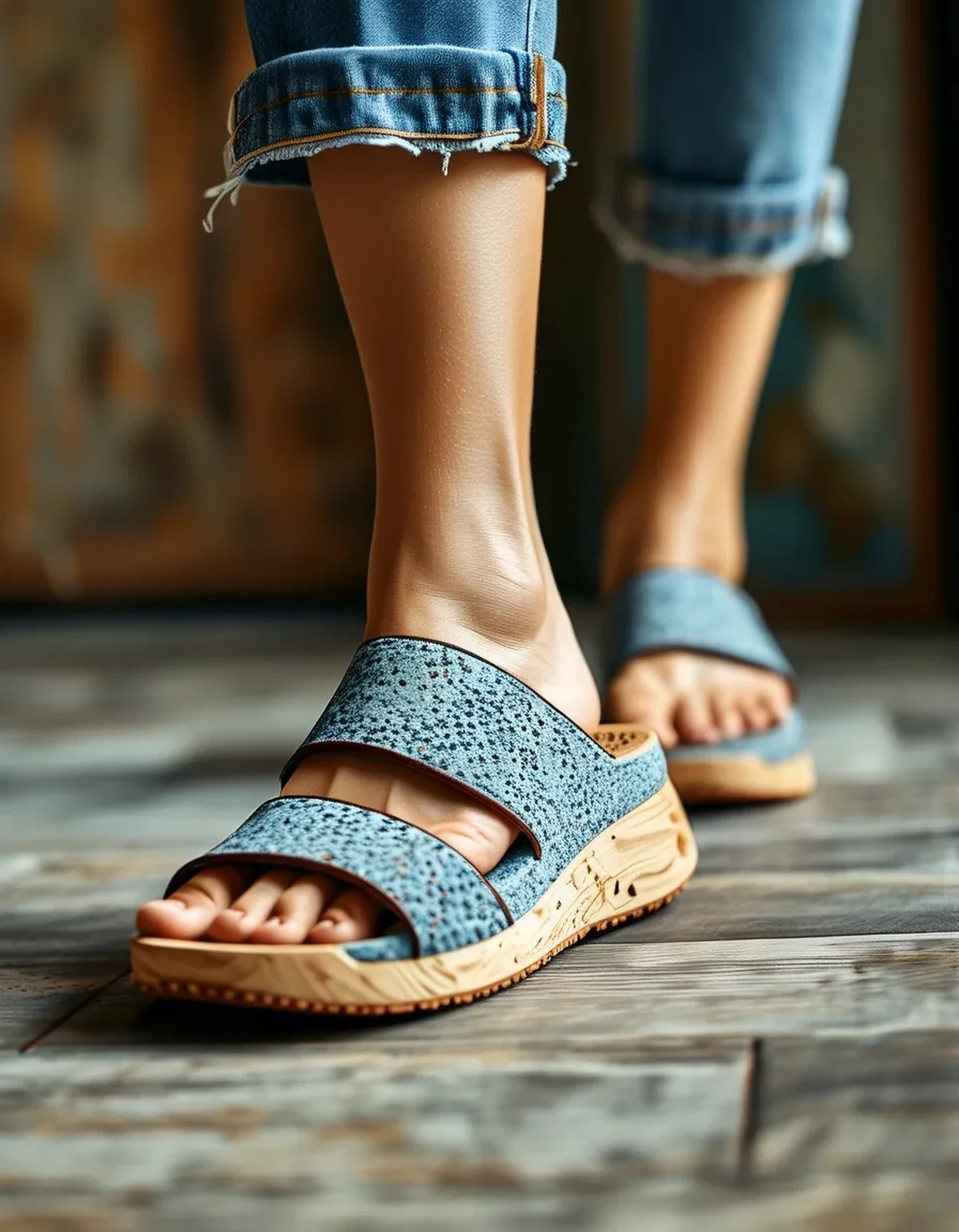
Why does recovery sandal foam specifically lose its supportive feel over time, mechanically?
Most recovery sandal footbeds use a molded foam (often EVA or a proprietary compound) engineered to compress under body weight and rebound between steps, but repeated compression cycles gradually cause the foam’s cell structure to permanently deform to some degree, a phenomenon called compression set. This means the foam doesn’t fully rebound to its original shape and density after enough use, resulting in a genuinely flatter, less contoured, less supportive feel compared to a fresh pair.
How quickly does this compression set process typically become noticeable with regular use?
This varies by foam quality, body weight, and usage frequency, but many users report noticing some difference within a few weeks of daily wear, with more substantial degradation becoming apparent over several months of regular use. Higher-quality, denser foam formulations generally resist compression set longer than cheaper, softer foam, which is part of why recovery sandal price and material quality often correlate with how long the original support actually lasts.
Is there a way to extend how long a pair maintains good support, or is compression set inevitable?
Compression set is inevitable to some degree with any foam footbed, but alternating between two pairs, allowing each pair’s foam to fully decompress and partially recover between wears, and avoiding leaving sandals compressed under heavy storage or in a hot car (heat accelerates foam degradation) can meaningfully slow the rate of permanent compression set compared to constant single-pair daily use.
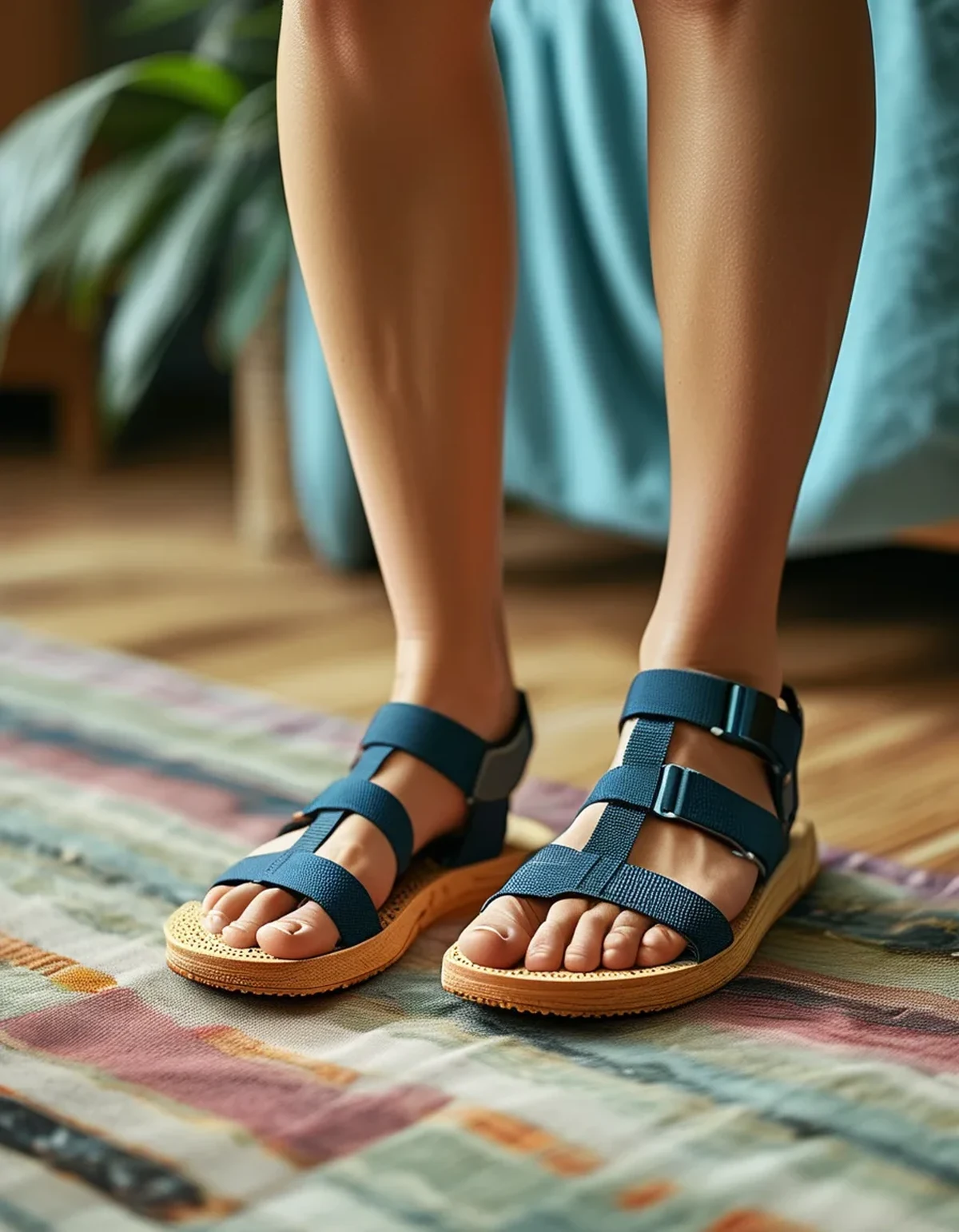
What’s a reliable way to tell when a pair has actually degraded enough to warrant replacement, rather than just feeling used to it?
Comparing the current footbed’s contour and firmness directly against a brand-new pair of the same model, if available, gives the clearest comparison, since gradual change is easy to miss without a direct reference point. Visible flattening in the heel and forefoot impact zones, or a noticeable return of foot fatigue symptoms the sandals originally resolved, are practical signals that compression set has progressed enough to meaningfully affect actual recovery benefit.
What Nobody Tells You About Recovery Sandal Longevity
Manufacturers often provide an expected footbed lifespan estimate (frequently in the range of 8-12 months of regular wear for many recovery-focused brands), similar to how running shoe midsoles are given a mileage estimate, yet this information is easy to miss and rarely factored into purchase or replacement planning — checking for this guidance specifically, rather than replacing purely based on visible wear or when problems reappear, keeps recovery benefit more consistently reliable.
FAQ: Recovery Sandal Foam Longevity, Answered
Does washing or cleaning recovery sandals affect how quickly the foam compresses?
Gentle cleaning generally has minimal effect on foam compression set, though soaking the footbed itself (versus just the straps) or exposing it to excessive heat during cleaning can accelerate degradation.
Is a firmer footbed foam always more durable against compression set than a softer one?
Generally yes, firmer, denser foams tend to resist permanent compression set longer than very soft, plush foams, though this can trade off against initial cushioning feel, so it’s a genuine tradeoff to weigh.
Does foot weight or body weight meaningfully affect how quickly a specific pair compresses?
Yes — higher body weight applies more force per step, generally accelerating the compression set process somewhat compared to a lighter wearer using the identical footbed material.
TL;DR:
- Recovery sandal foam undergoes real, permanent compression set with repeated use over weeks and months
- Compression set is inevitable to some degree, though higher-quality, denser foam resists it longer
- Alternating pairs and avoiding heat exposure can meaningfully slow the compression rate
- Comparing against a new pair, or checking manufacturer lifespan guidance, reveals when replacement matters
A recovery sandal feeling flatter after a few weeks reflects a real, predictable foam aging process, not a flawed pair — knowing this timeline helps decide when replacement will actually restore the original recovery benefit.
Keep Reading
This article is for general informational and styling purposes only. Fit, sizing, and product availability may vary.