Why Recovery Sandals Feel Completely Different on Carpet Versus Hard Floors
Quick Answer: Recovery sandals are engineered around a firm, stable base — their contoured footbed assumes a hard, even surface to push against, so a soft carpet absorbs some of that structure and can make the same sandal feel mushy or less supportive than it does on tile or hardwood.
You love how these sandals feel walking on your kitchen tile, then pad across the bedroom carpet in them and suddenly feel like you’re wearing something completely different.
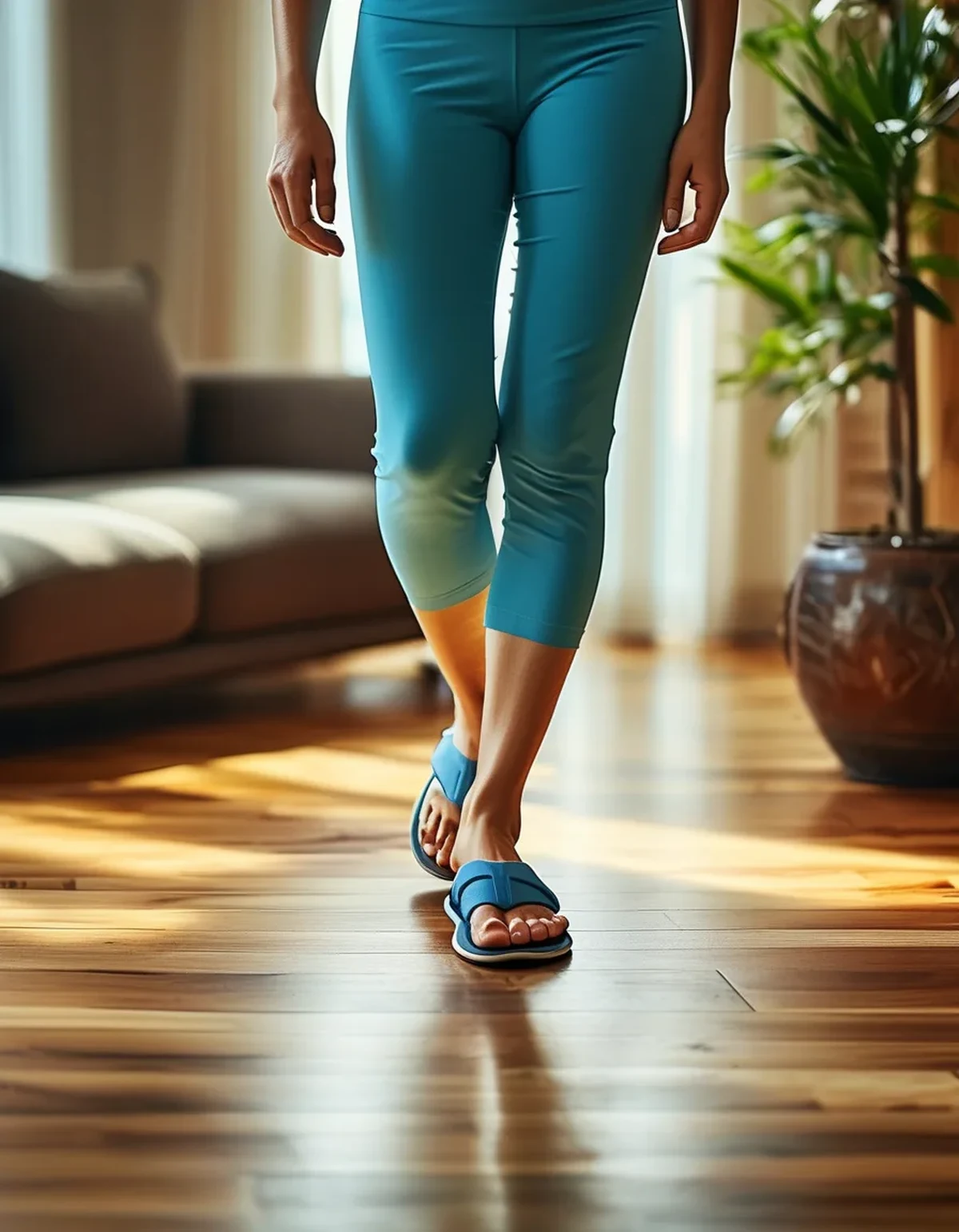
Why does the footbed contour depend on a firm surface?
The deep heel cup and arch contour in recovery sandals is designed to provide support by having your foot press down into a shaped, firm footbed that pushes back with equal and predictable resistance. On a hard floor, that resistance is consistent and matches the sandal’s design intent.
On carpet, the sandal’s sole sinks slightly into the give of the carpet itself, changing the effective angle and firmness your foot experiences — the sandal’s structure is still there, but it’s now interacting with an additional soft layer it wasn’t designed around.
Does this actually reduce the recovery benefit, or just the feel?
Both, to some degree — the support cues (arch contact, heel stability) that make recovery sandals effective rely on consistent firm contact, so a softer surface can genuinely blunt some of the intended structural support, not just change the subjective feel underfoot.
Is this true of all recovery sandal brands equally?
Not entirely — sandals with a thicker, stiffer outsole tend to resist surface give better than those with a thinner, more flexible base, since a stiffer sole distributes your weight more evenly even when the surface underneath isn’t perfectly firm. Softer, more flexible-soled models are more surface-dependent.
What Nobody Tells You About Recovery Sandal Performance
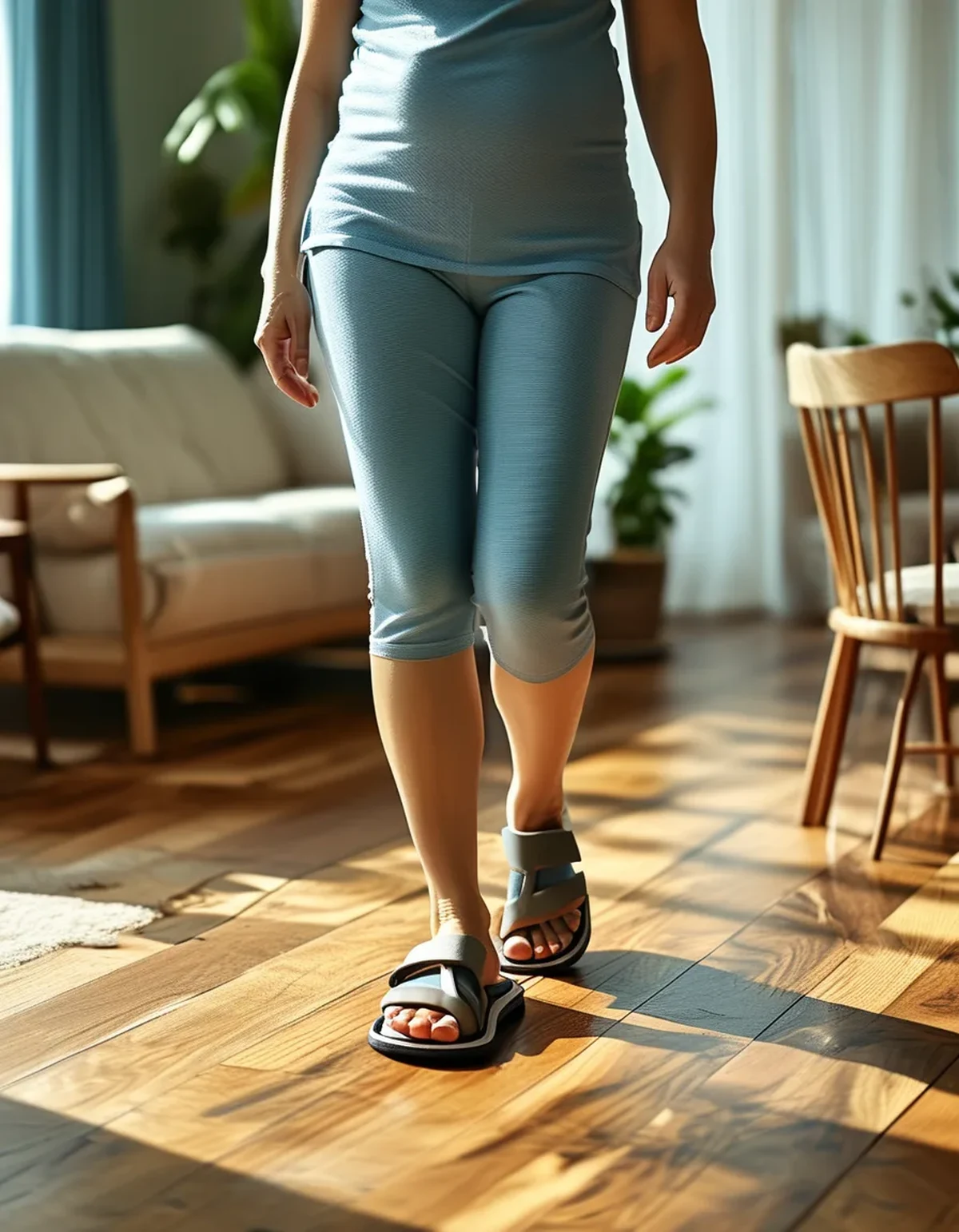
Outdoor surfaces vary just as much as indoor ones — grass and sand behave similarly to carpet (absorbing and changing the sandal’s intended support), while pavement and indoor hard flooring let the sandal perform closer to its designed function. If you’re wearing recovery sandals specifically for post-workout support, the surface you’re standing or walking on matters as much as which sandal you chose.
Also underrated: worn-down or several-years-old recovery sandals lose some of their structural firmness over time, which compounds with soft-surface give to feel notably less supportive than a newer pair on the same soft surface.
Does this mean you shouldn’t wear them on carpet at all?
Not necessarily — for casual, low-demand wear (relaxing at home) the surface difference is a minor comfort variation, not a real problem. It matters more if you’re specifically relying on them for post-workout recovery support, where a firmer surface will deliver closer to the intended benefit.
FAQ: Recovery Sandal Surface Questions, Answered
Do recovery sandals still help on grass or sand?
They still provide more cushioning than bare feet or flimsy footwear, just with somewhat reduced structural support compared to a hard, even surface.
How do I know if my recovery sandals have lost their firmness over time?
Compare the heel cup depth and general stiffness to a photo or memory of them new — visible flattening or excessive flex is a sign of wear.
Is a stiffer-soled recovery sandal better overall, or just better on soft surfaces?
A stiffer sole generally performs more consistently across varied surfaces, though some people find a slightly more flexible sole more comfortable for all-day casual wear.
TL;DR:
- Recovery sandals are designed around a firm, even surface for full support
- Carpet and other soft surfaces absorb some of the sandal’s intended structure
- Stiffer-soled models resist this surface effect better than flexible ones
- Wear them on a firm surface when you specifically want the recovery benefit
Keep Reading
This article is for general informational and styling purposes only. Fit, sizing, and product availability may vary.